
Wildlife field guide
196 species, in the words of the in-game field guide. Animals marked huntable drop pelts or meat in pristine, good and ruined condition.
Rumours from Bret
Legendary animals
- SIGHTING 1Bret said it has been seen near Howe Dairy in north Emerald Springs.
- SIGHTING 2Bret mentioned it has been sighted south of Hamlet.
- SIGHTING 3Bret said it has been seen near the 4th hole at Leaf Links.
- SIGHTING 4Bret said it might be prowling around some farms north of Belville.
- SIGHTING 5Bret said it lurks somewhere between Wetman Bay and Cottonmouth Lake.
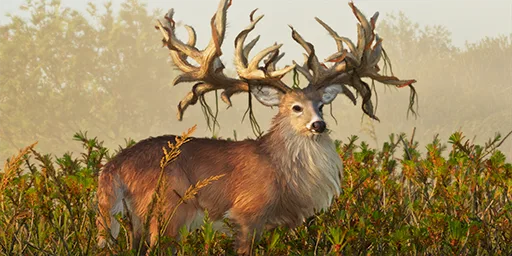 Unique BuckUnique whitetail buck with overgrown antlers, suggesting that it enjoys dominance over other members of its species. Hostile, and very likely to charge human intruders.
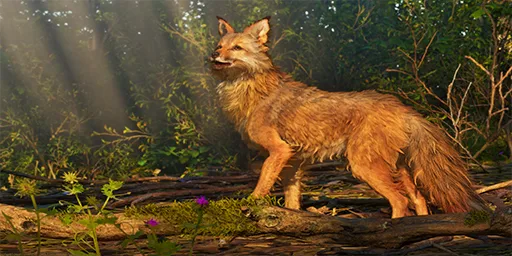 Unique CoyoteNotably shaggier than other members of its species, this orange-gold coyote is infamous for devouring neighborhood cats, and will attack humans on sight.
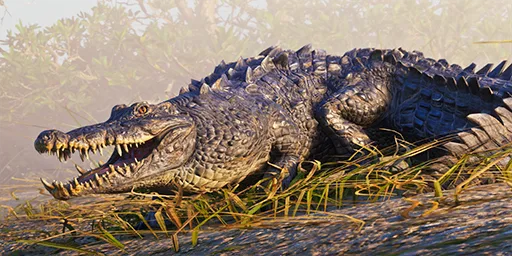 Unique Crocodile
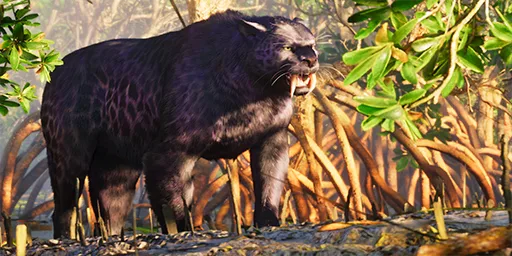 Unique Panther
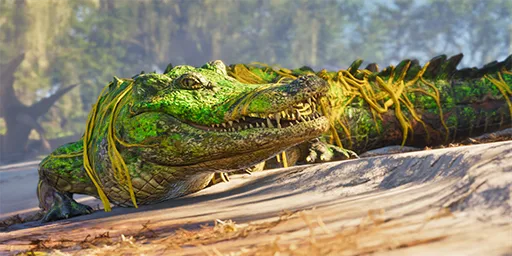 Unique Swamp Alligator
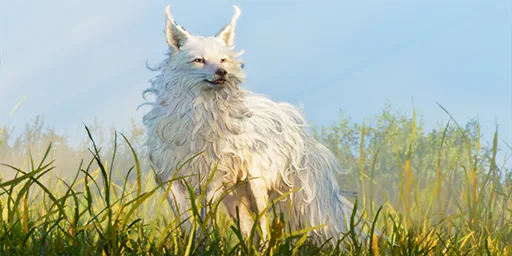 Unique White Fox
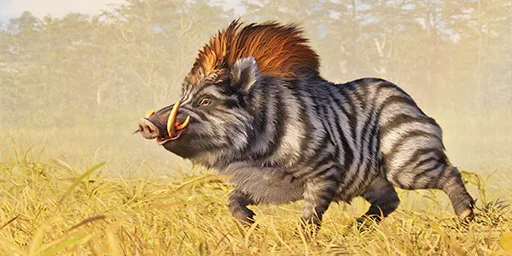 Unique Wild BoarBizarre and highly belligerent boar with a unique coat and exceptionally long mane. Its broken tusks can still be lethal.
Hunting magazine tips:· A hunting magazine said this is a good place to find Leonida bobcats.· A hunting magazine said this is a good place to find black bears.· A hunting magazine said this is a good place to find black bears and black foxes.
Mammals
36Where to find it on the map →
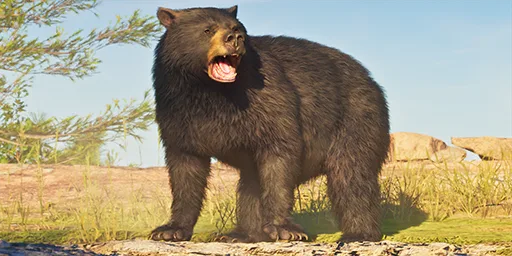
American Black Bear
Huntable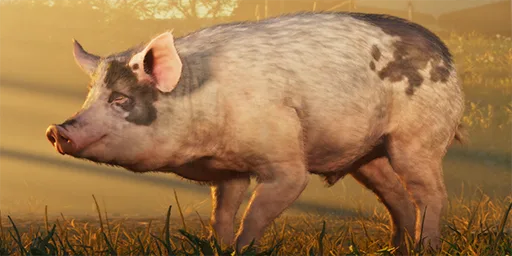
American Yorkshire Pig
The American Yorkshire pig is a staple of the Leonida barnyard. Rotund, pink, and voraciously hungry, it will eat anything.
Where to find it on the map →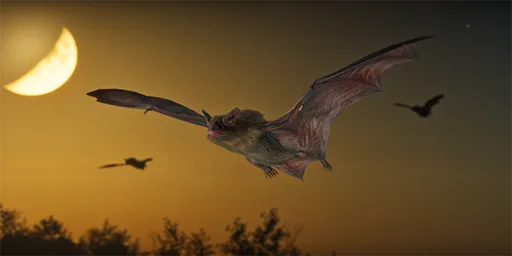
Big Brown Bat
The big brown bat thrives in a variety of habitats. Like most bats, it is nocturnal, and navigates using echolocation. As its name suggests, it is one of Leonida's largest bat species.
Where to find it on the map →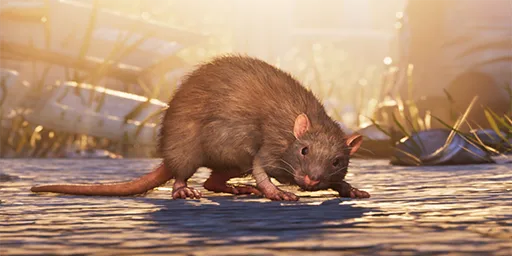
Brown Rat
Adaptable, intelligent, and with a talent for survival, the brown rat can thrive in virtually any environment, especially near humans. Predators can't make a dent in Leonida's rodent population.
Where to find it on the map →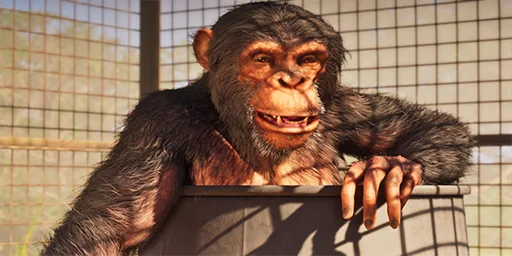
Chimpanzee
Powerful, intelligent, and highly adaptable, chimps can be found in some of Leonida's research facilities and exotic zoos.
Eastern Cottontail Rabbit
Huntable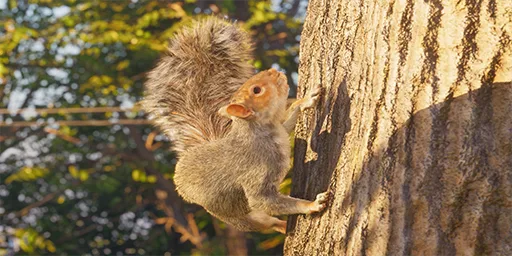
Eastern Gray Squirrel
Huntable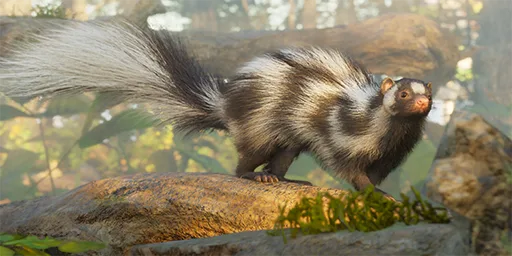
Eastern Spotted Skunk
HuntableNamed for its distinctive black and white coat, the eastern spotted skunk is nocturnal, adaptable, and has spread all over the region. Hunt with restraint, or risk destroying the carcass.
Hunting tip: Hunt with restraint, or risk destroying the carcass.
Where to find it on the map →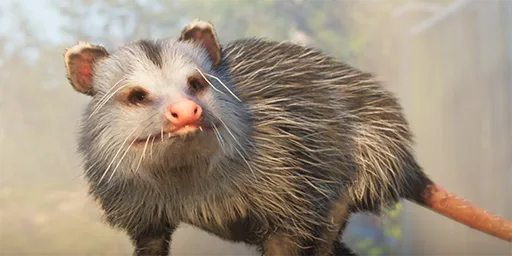
Gloriana Opossum
HuntableA small, nocturnal marsupial with a long, flat nose and bald tail, the Gloriana opossum thrives in a range of habitats including urban centers, and is known for playing dead to confuse predators. Hunt with a low-power rifle to preserve the carcass.
Hunting tip: Hunt with a low-power rifle to preserve the carcass.
Where to find it on the map →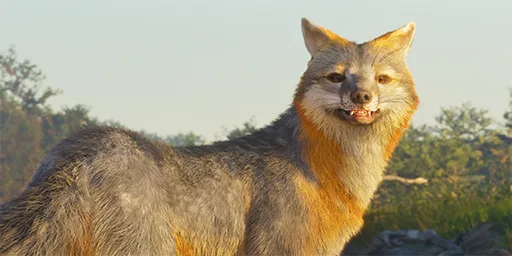
Gray Fox
Huntable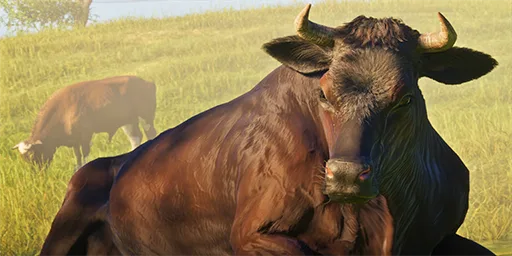
Holstein Cattle
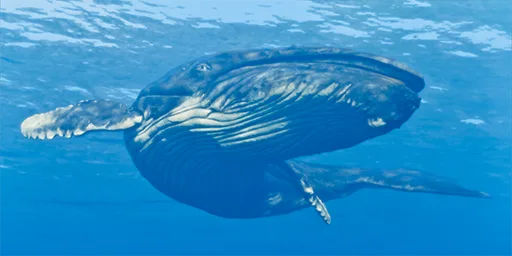
Humpback Whale
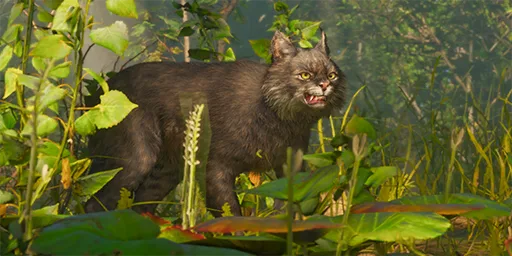
Leonida Black Bobcat
Huntable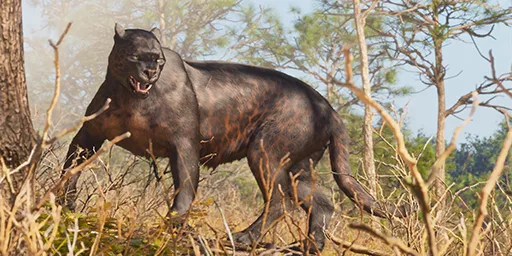
Leonida Black Panther
Huntable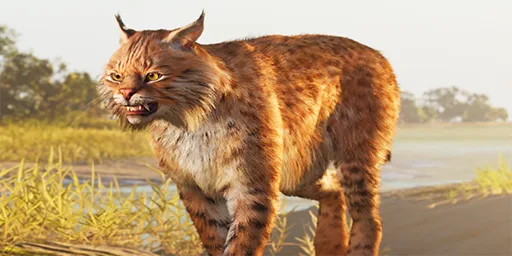
Leonida Bobcat
Huntable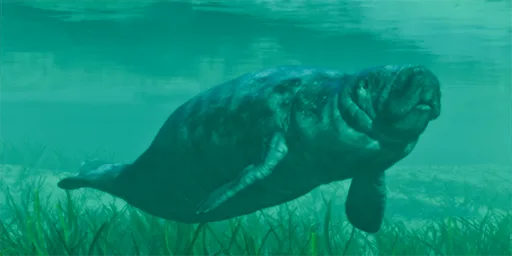
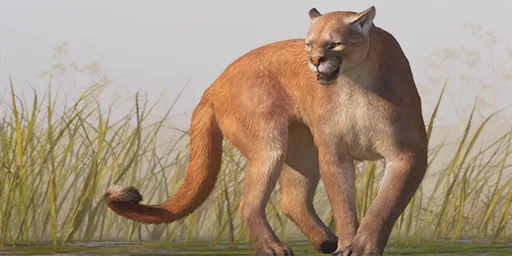
Leonida Manatee
A large aquatic mammal, the iconic Leonida manatee can be glimpsed in coastal waters, especially in warm southern regions. Gentle and slow, this defenseless creature surprisingly has no natural predators.
Leonida Panther
HuntableFast and powerful, the tan-colored Leonida panther can be glimpsed stalking through forests and wetlands. Hunters are advised to engage from a safe distance.
Hunting tip: Hunters are advised to engage from a safe distance.
Where to find it on the map →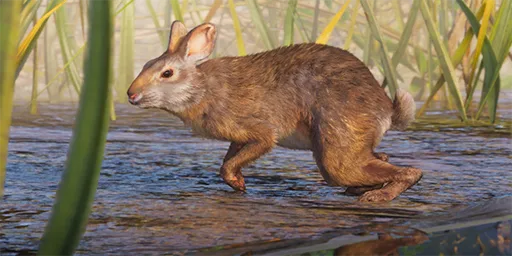
Marsh Rabbit
HuntableThe timid marsh rabbit is most commonly found in wetlands and southern coastal areas. Smaller and with shorter ears than the eastern cottontail, a low-power rifle will put it down clean.
Hunting tip: Smaller and with shorter ears than the eastern cottontail, a low-power rifle will put it down clean.
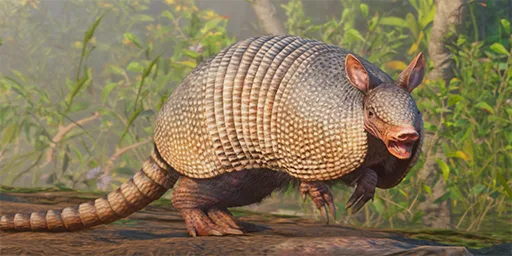
Nine-Banded Armadillo
HuntableNorth American River Otter · white-furred
HuntableAn uncommon, white-furred variant of the North American river otter found in Leonida's wetlands and near its rivers. A gentle kill will preserve the quality of the carcass.
Hunting tip: A gentle kill will preserve the quality of the carcass.
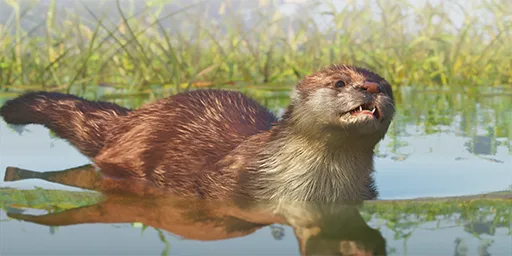
North American River Otter
HuntableThe North American river otter can be found in wetlands and occasionally along rivers. Its dense fur is dark brown and provides excellent insulation. A low-power rifle will take it down in one piece.
Hunting tip: A low-power rifle will take it down in one piece.
Where to find it on the map →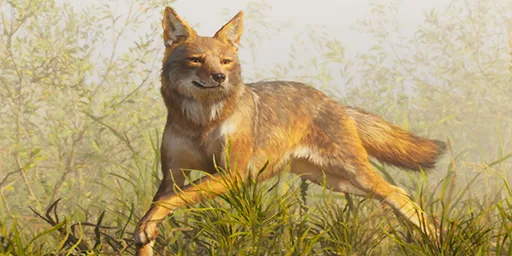
Northern Coyote
HuntableThe ever-adaptable northern coyote prowls Leonida's forests and wetlands. It is recognizable by its red-gray fur and large ears, and tends to gather in packs. Hunters are advised to take it on at long range.
Hunting tip: Hunters are advised to take it on at long range.
Where to find it on the map →Northern Coyote · black-furred
HuntableA rare, black-furred variant of the more common northern coyote, found living in forested areas and wetlands. Best hunted from a safe distance.
Hunting tip: Best hunted from a safe distance.
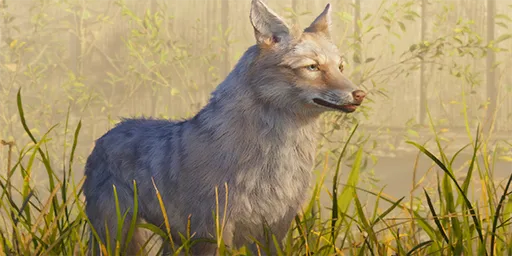
Northern Silver Coyote
Huntable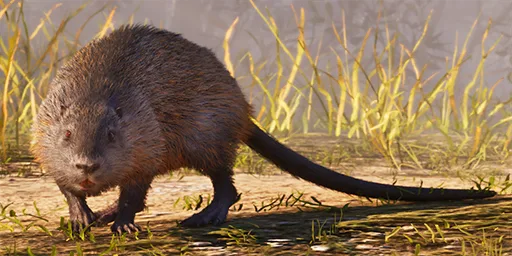
Nutria
Huntable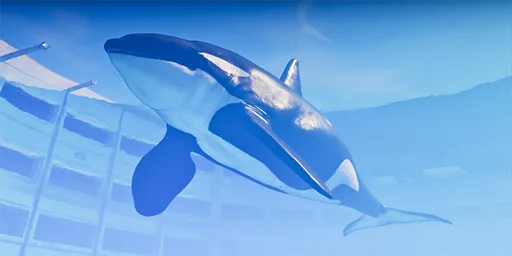
Orca
Recognizable by its sleek profile and black and white coloration, the orca is an apex predator that hunts using echolocation. The most famous orca in Leonida is the star attraction at Vice City Oceanarium.
Red Fox · golden-furred
HuntableAn uncommon, golden-furred variant of the American red fox, found in northern forested areas. A gentle kill will preserve the quality of the carcass.
Hunting tip: A gentle kill will preserve the quality of the carcass.
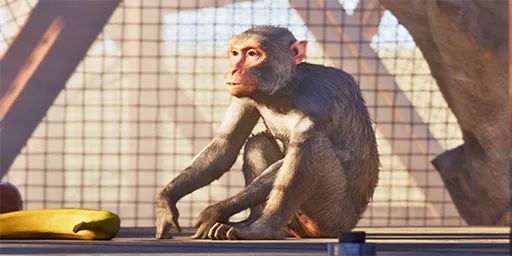
Rhesus Macaque
A small monkey native to Southeast Asia, the rhesus macaque is highly gregarious, and is recognizable by its bright pink face. A few can be found in captivity.
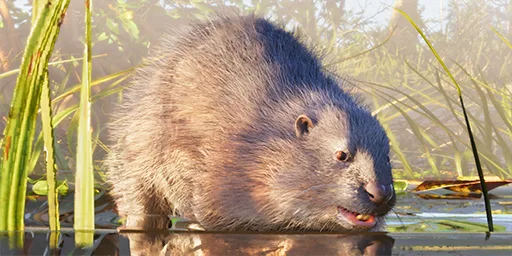
Round-Tailed Muskrat
HuntableA small rodent found in the wetlands and near sources of fresh water, the round-tailed muskrat is semi-aquatic, and can be recognized by its compact body and long, scaly tail. A gentle kill will preserve the quality of the carcass.
Hunting tip: A gentle kill will preserve the quality of the carcass.
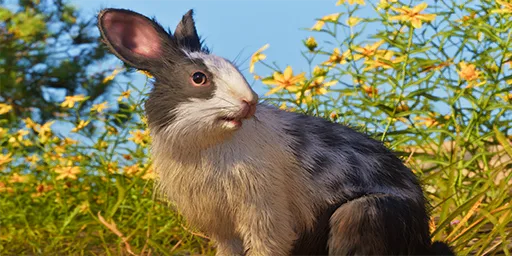
Soot-Spotted Cottontail Rabbit
HuntableWhitetail Buck · variant
HuntableAlthough rare, this piebald variant of the more common whitetail buck can occasionally be seen grazing in forested areas and wetlands. Skittish, and best hunted at long range.
Hunting tip: Skittish, and best hunted at long range.
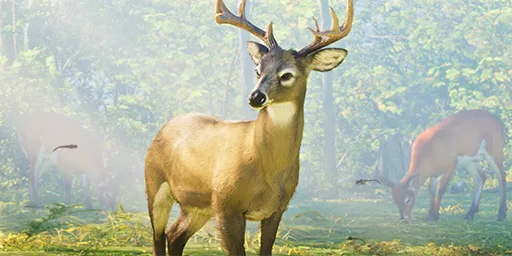
Whitetail Deer
The whitetail deer can be spotted grazing in forests, wetlands, and grassy lowlands. Easily startled, hunters should pick it off from afar.
Hunting tip: Easily startled, hunters should pick it off from afar.
Where to find it on the map →Whitetail Doe
Huntable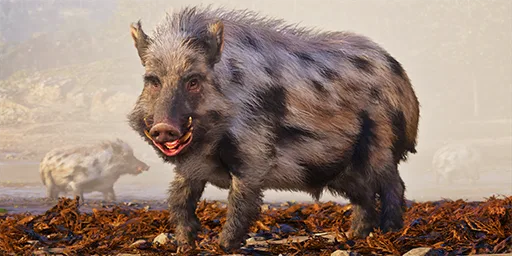
Wild Boar · spotted
HuntableA rare, spotted variant of the more common wild boar. Occasionally seen in forests and wetlands, hunters are advised to take it on at long range.
Hunting tip: Occasionally seen in forests and wetlands, hunters are advised to take it on at long range.
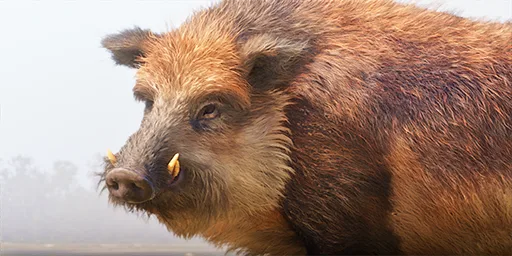
Wild Boar
HuntableBulky and aggressive, the wild boar can be found foraging in forests and wetlands throughout Leonida, and is mostly nocturnal. Because of its tendency to charge unwary humans, it is safest to hunt at long range.
Hunting tip: Because of its tendency to charge unwary humans, it is safest to hunt at long range.
Where to find it on the map →Birds
51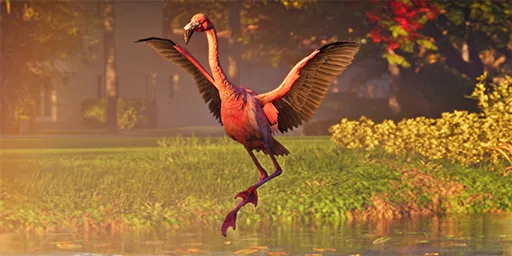
American Flamingo
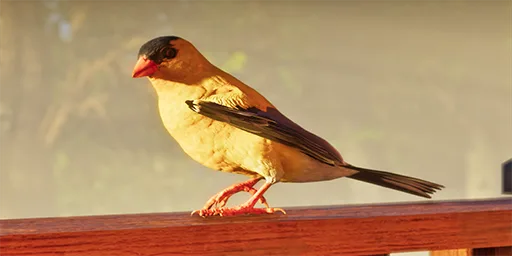
American Goldfinch
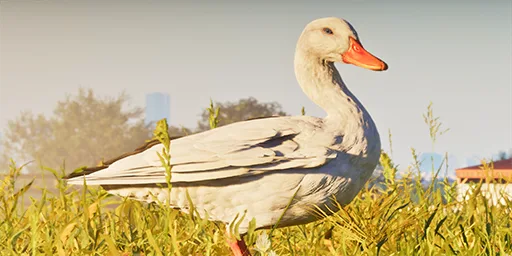
American Pekin Duck
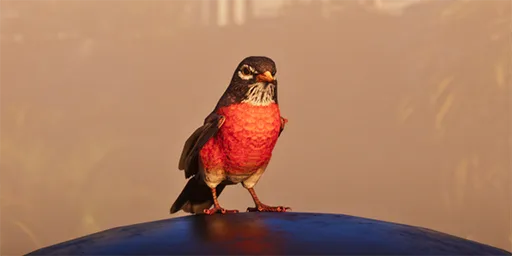
American Robin
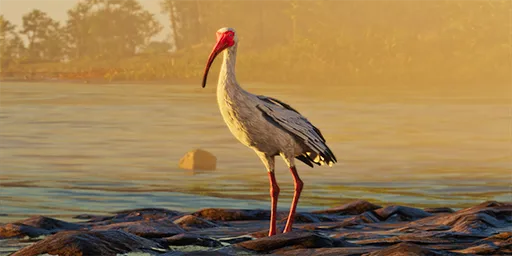
American White Ibis
A mid-sized wading bird with a curved orange beak, the American white ibis can be found in bodies of fresh water in coastal regions and wetlands.
Where to find it on the map →Anhinga
The anhinga is a large, slim water bird with a long, dagger-like beak. A talented swimmer, it is most commonly seen in wetlands.
Where to find it on the map →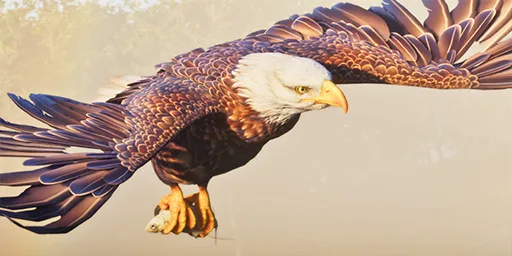
Bald Eagle
America's best-known bird of prey, the bald eagle can be glimpsed hunting small animals across Leonida, and is easily recognizable by its distinctive white head.
Where to find it on the map →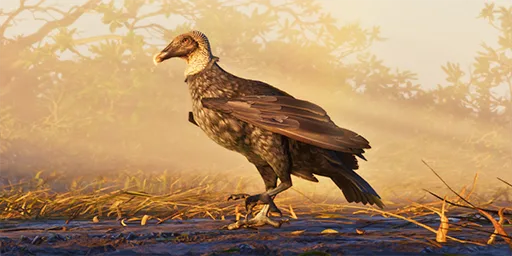
Black Vulture
Occasionally spotted in various regions of Leonida, the black vulture is a carrion bird with black plumage and a gray-black head. Territorial, and like all vultures, it has excellent eyesight and a strong sense of smell.
Black-Capped Chickadee
A tiny bird with black and white plumage, the black-capped chickadee can mostly be spotted in mountainous northern regions.
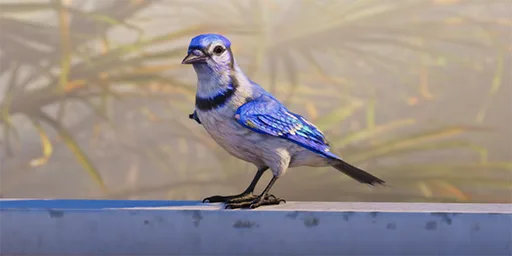
Blue Jay
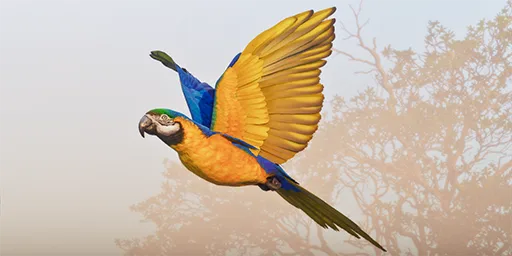
Blue-And-Yellow Macaw
One of the world's most recognizable birds, the blue-and-yellow macaw is famed for its bright plumage and its ability to mimic human speech. Most are confined to Leonidas zoos, but a few have escaped and colonized neighborhoods.
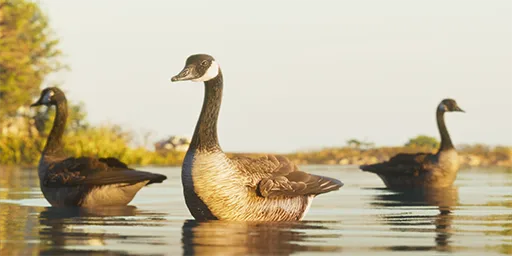
Canada Goose
Huntable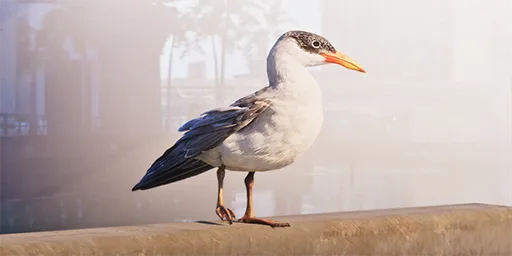
Caspian Tern
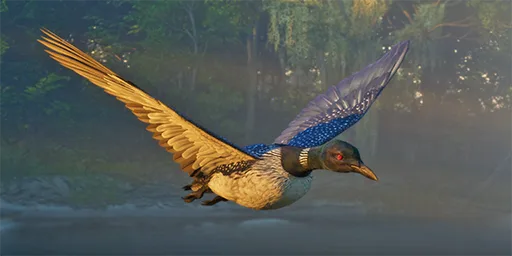
Common Loon
A solitary waterfowl, the common loon is found in Leonida's wetlands and bodies of fresh water. Easily recognizable by its black and white plumage and red eyes. Skilled at swimming and flying, they are virtually helpless on dry land.
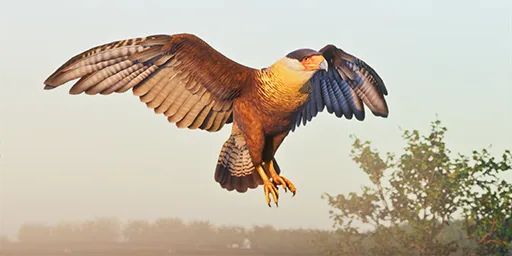
Crested Caracara
The crested caracara is a distinctive bird of prey from the falcon family that makes its home in the forests and mountains of northern Leonida. Easily identified by its blue-tipped beak.
Where to find it on the map →Cubalaya
A domestic chicken native to Cuba, the Cubalaya can be seen in some urban centers, especially in the south. Notably larger than a leghorn and distinguishable by its darker plumage.
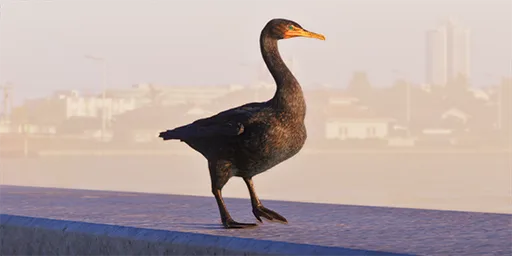
Double-Crested Cormorant
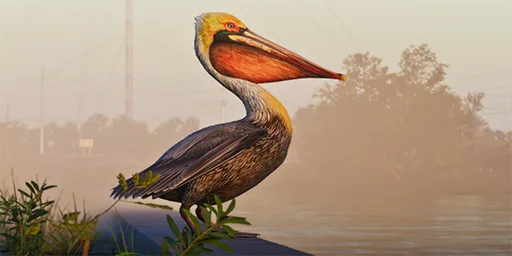
Eastern Brown Pelican
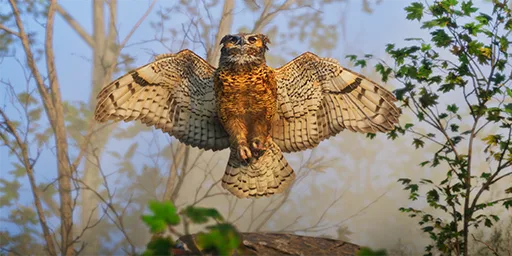
Eastern Great Horned Owl
The eastern great horned owl is found across Leonida, including urban areas. Like most owls, it is a nocturnal hunter, and is easily recognizable by the feathered, horn-like tufts for which it is named.
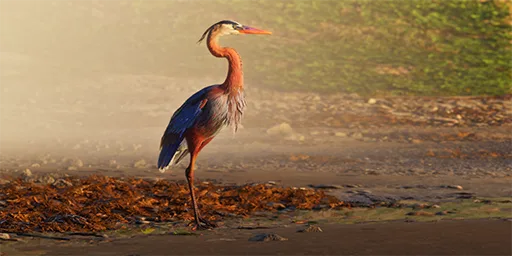
Great Blue Heron
As its name suggests, the great blue heron is a large wading bird, with a mild blue tint to its plumage. It can be found in wetlands, coastal regions and near rivers, and uses its pointed beak to spear prey.
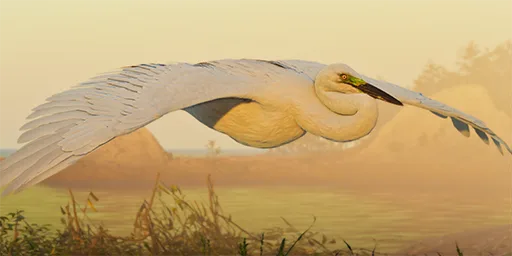
Great Egret
Herring Gull
The opportunistic herring gull takes full advantage of human populations, and can be seen scavenging in any urban area with a nearby source of water.
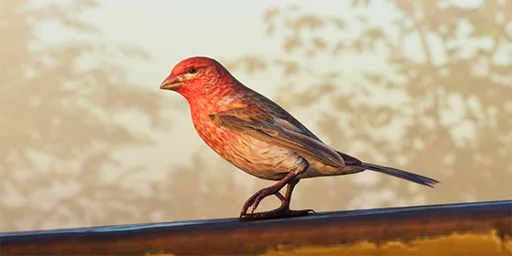
House Finch
An invasive species, the tiny house finch is commonly found in habitats including northern forests and urban centers, and can be recognized by the red plumage on its head.
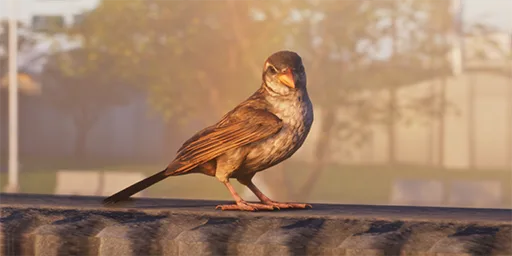
House Sparrow
The tiny, gray and brown house sparrow is found everywhere in Leonida, but has come to favor urban environments. Highly adaptable.
Where to find it on the map →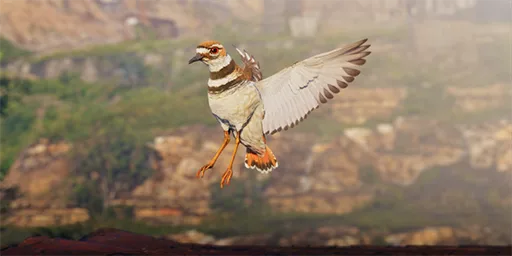
Killdeer
A small wading bird with a distinctive cry, found foraging in coastal areas. Recognizable by the double black bands around its breast.
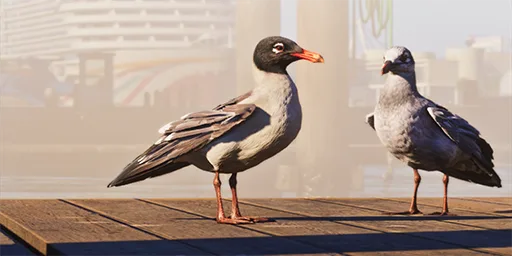
Laughing Gull
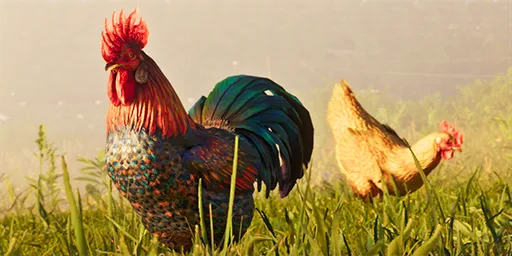
Leghorn Chicken
One of the region's most common domesticated birds, the leghorn hen is a permanent fixture on farms around Leonida.
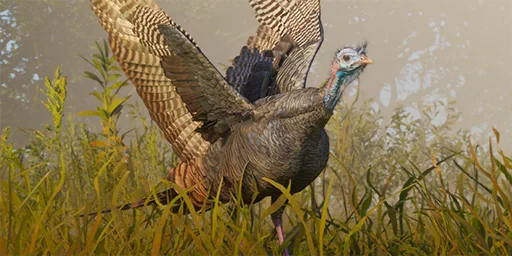
Leonida Wild Turkey
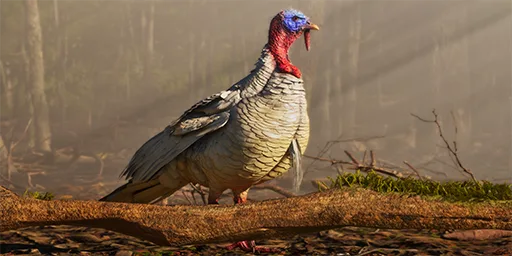
Leonida Wild White Tom
Huntable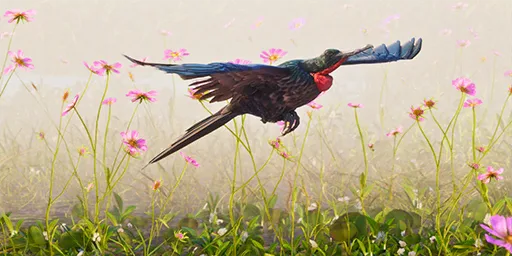
Magnificent Frigatebird
A talented hunter of fish, the magnificent frigatebird can be seen diving into the water in coastal areas. The males have a distinctive red throat, which they can inflate to attract a mate.
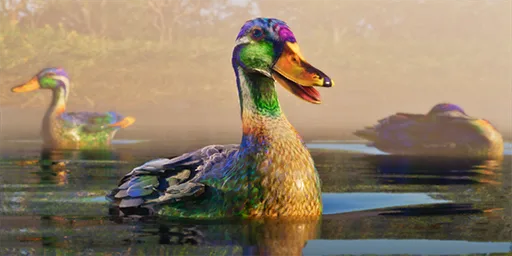
Mosaic Mottled Duck
Huntable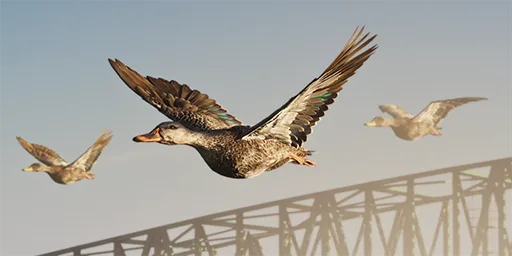
Mottled Duck
HuntableCommonly seen on bodies of fresh water around Leonida, the mottled duck can be identified by the shiny blue patch on each of its wings, and is easily taken down by a low-power rifle.
Hunting tip: Commonly seen on bodies of fresh water around Leonida, the mottled duck can be identified by the shiny blue patch on each of its wings, and is easily taken down by a low-power rifle.
Where to find it on the map →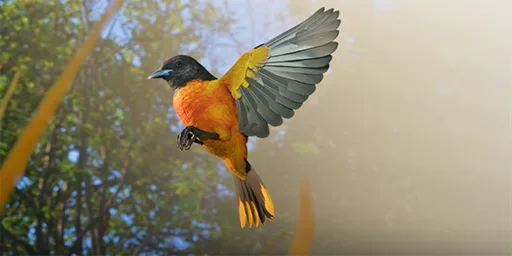
New World Oriole
Found mostly in forests, and on occasion in urban centers, the New World oriole is a small migratory songbird. Recognizable by its striking orange plumage, thick beak, and the white bars on its wings.
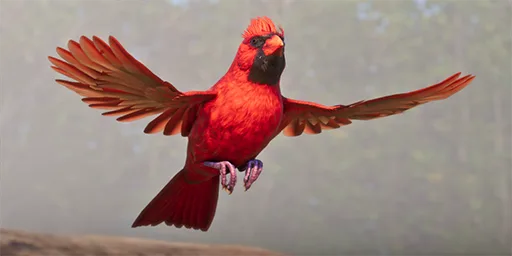
Northern Cardinal
A common sight in Leonida's forests and increasingly in urban centers, the northern cardinal is a small, sparrow-like songbird with famously bright plumage and a distinctive crest.
Where to find it on the map →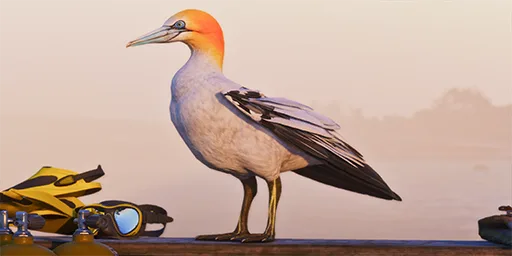
Northern Gannet
A long-necked seabird with white plumage and black wing tips, the northern gannet can be spotted hunting for fish in bodies of water around Leonida.
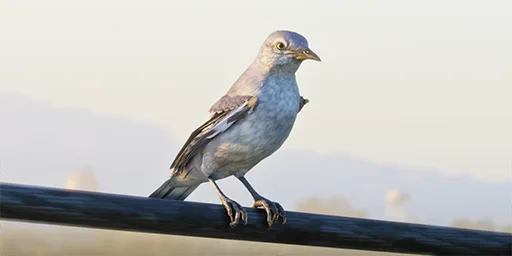
Northern Mockingbird
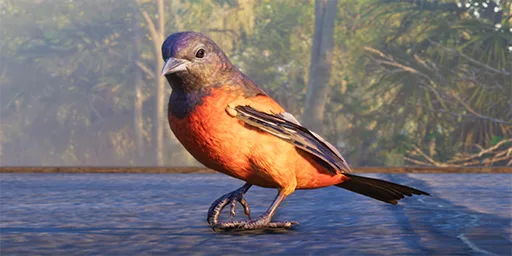
Orchard Oriole
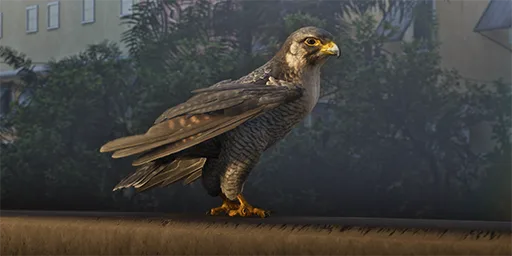
Peregrine Falcon
Famous for its speed and highly adaptable, the peregrine falcon has adapted to hunt other birds in urban centers. Its rapid diving attacks make it the world's fastest animal.
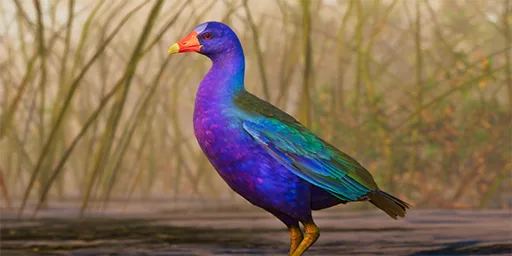
Purple Gallinule
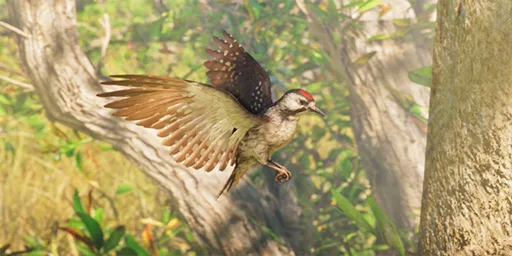
Red-Cockaded Woodpecker
Named for the tiny flash of red on the sides of its black-capped head, the red-cockaded woodpecker can be seen across Leonida, and makes its home in large trees.
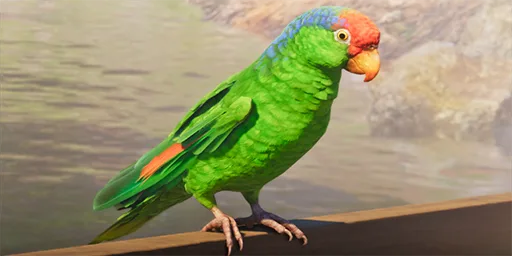
Red-Crowned Parrot
A midsized green parrot with a striking red splash on its forehead, the red-crowned parrot is native to Mexico and listed as endangered. Leonida has a few specimens in captivity.
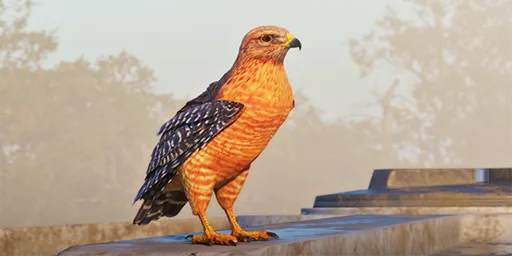
Red-Shouldered Hawk
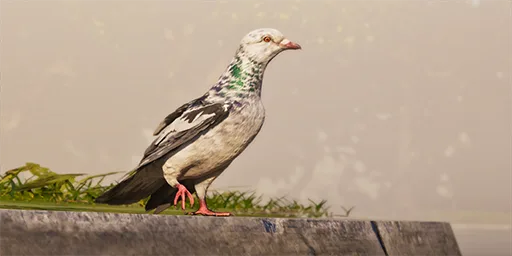
Rock Pigeon
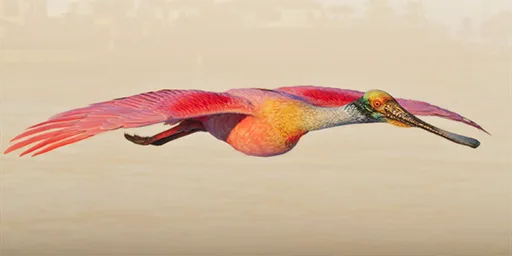
Roseate Spoonbill
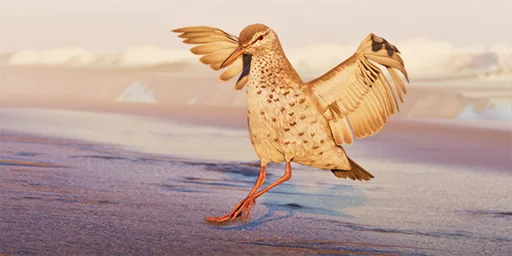
Sanderling
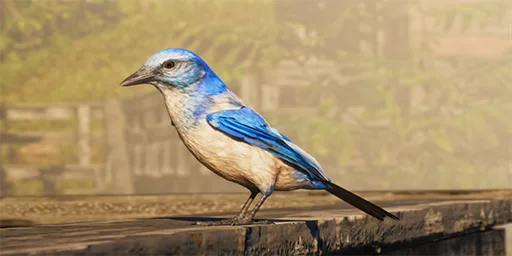
Scrub Jay
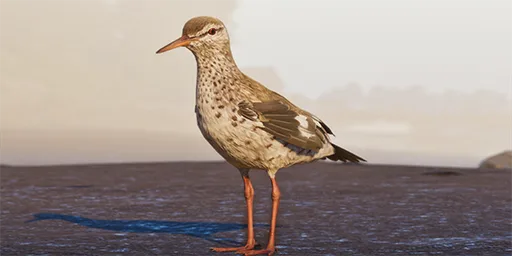
Spotted Sandpiper
A long-legged wading bird with distinctive spotted plumage, the spotted sandpiper can be seen dashing across sandy coastal areas.
Tricolored Heron
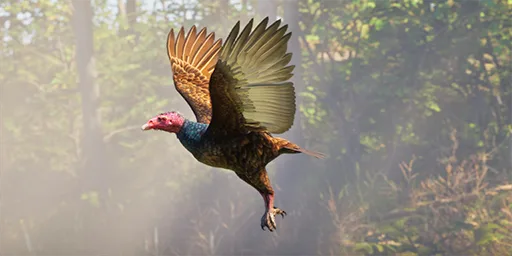
Turkey Vulture
Named for its red, turkey-like face, the turkey vulture is a carrion bird with brownish feathers. It is occasionally seen across Leonida, but most frequently in the north.
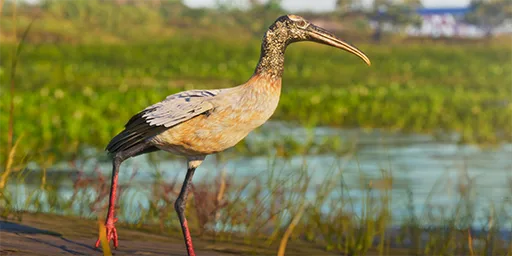
Wood Stork
A large wading bird common to coastal regions to the north and wetlands, the wood stork can be recognized by its bald head, and uses its long beak to sweep for prey in shallow waters.
Where to find it on the map →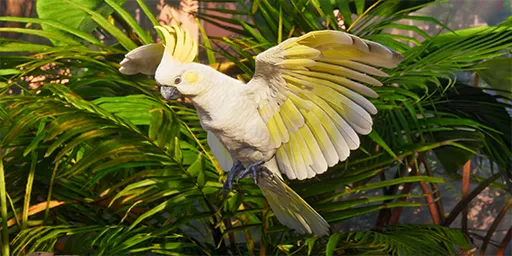
Yellow-Crested Cockatoo
Reptiles & amphibians
19Adult Green Iguana
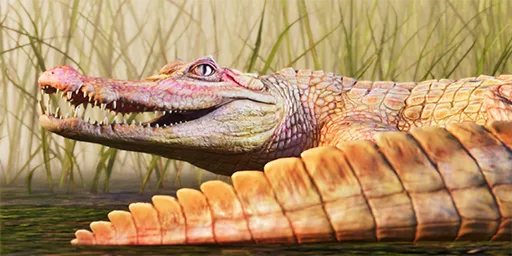
Albino Spectacled Caiman
HuntableAmerican Alligator · albino
HuntableAn uncommon, albino variant of the American alligator, occasionally sighted in Leonida's wetlands. Dangerous, and best engaged from a distance.
Hunting tip: Dangerous, and best engaged from a distance.
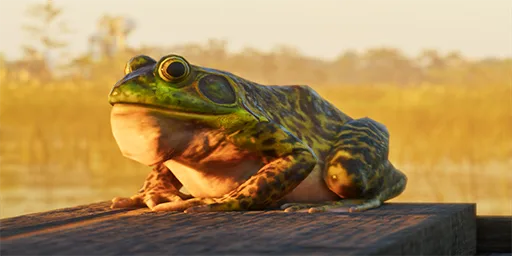
American Bullfrog
A common sight in wetlands and by rivers to the north, the American bullfrog will eat anything it can fit in its mouth and is considered an invasive species in Leonida.
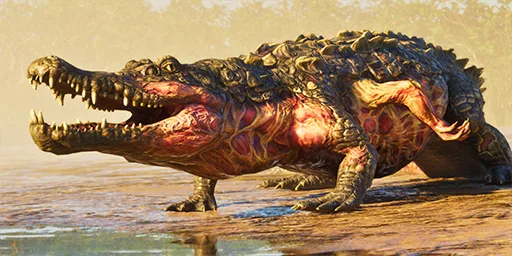
American Crocodile
Huntable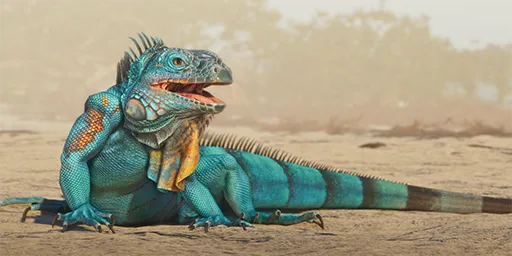
Blue Axanthic Iguana
Huntable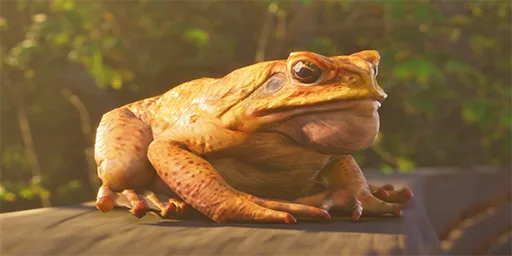
Cane Toad
HuntableFound predominantly in wetlands, the cane toad is the largest species of toad in the world, and will eat almost anything. Overpowered weapons will ruin the carcass.
Hunting tip: Overpowered weapons will ruin the carcass.
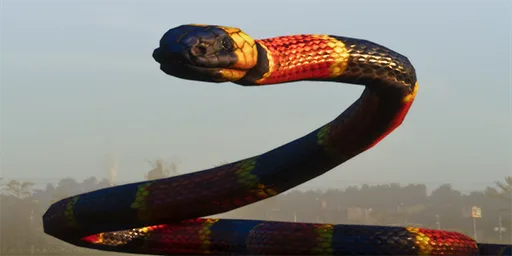
Eastern Coral Snake
HuntableThe eastern coral snake is a member of the cobra family and can be found in coastal and forested regions of Leonida. Predators may be permanently discouraged by its powerful venom. A low-power rifle will put it down clean.
Hunting tip: A low-power rifle will put it down clean.
Eastern Diamondback
HuntableThe eastern diamondback is recognizable by its signature rattle, often heard in forests. Its venom can be deadly, and hunters should exercise caution and restraint for best results.
Hunting tip: Its venom can be deadly, and hunters should exercise caution and restraint for best results.
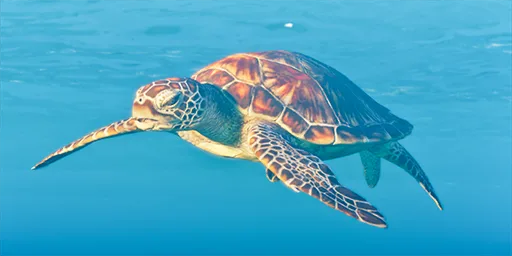
Green Sea Turtle
The largest of all hard-shelled turtles, the green sea turtle is a common sight around reefs and coastal waters.
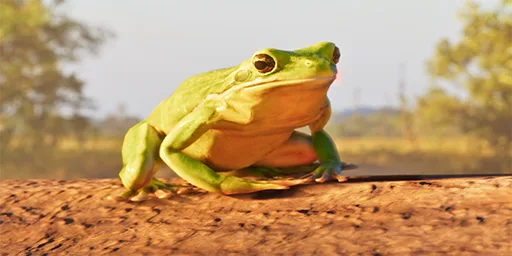
Green Tree Frog
Juvenile American Alligator
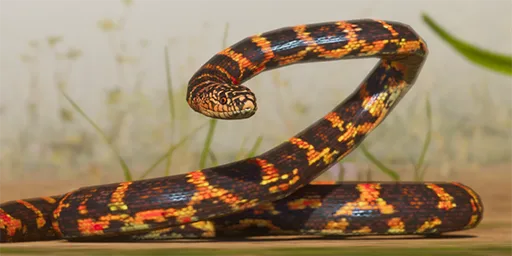
Leonida Kingsnake
HuntableThe Leonida kingsnake is a medium-sized constrictor often found in forests and grassy lowlands, and is recognizable by the yellow bands that break up its brown scales. Hunters using overpowered weapons risk ruining the carcass.
Hunting tip: Hunters using overpowered weapons risk ruining the carcass.
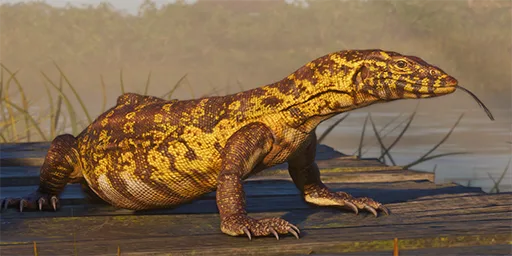
Nile Monitor
Huntable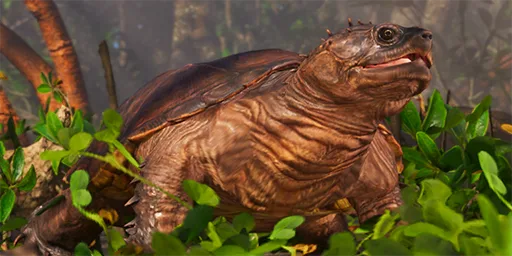
Snapping Turtle
HuntableThe snapping turtle is an ambush predator that lurks in the wetlands. Famous for its fast, bone-crushing bite, hunters should use restraint or risk destroying the carcass.
Hunting tip: Famous for its fast, bone-crushing bite, hunters should use restraint or risk destroying the carcass.
Softshell Turtle
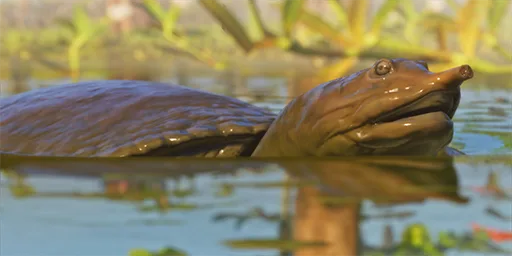
HuntableCommon in wetlands across Leonida, the softshell turtle can be recognized by the long nose it uses to breathe underwater. A low-power rifle will put it down clean.
Hunting tip: A low-power rifle will put it down clean.
Southern Leopard Frog
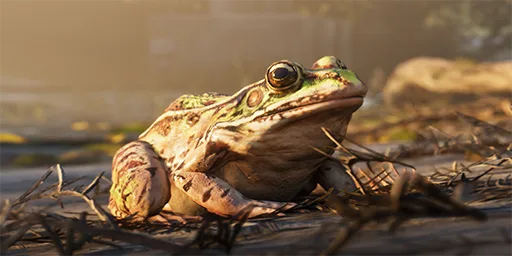
Nocturnal, and named for the distinctive, spotted pattern of its skin, the southern leopard frog makes its home in wetlands.
Southern Toad
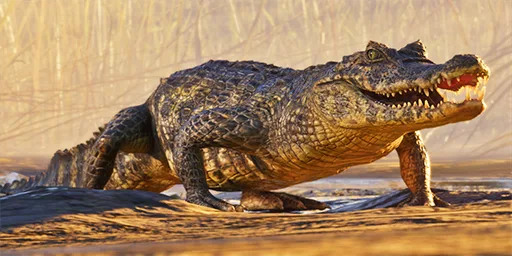
Spectacled Caiman
HuntableFish
35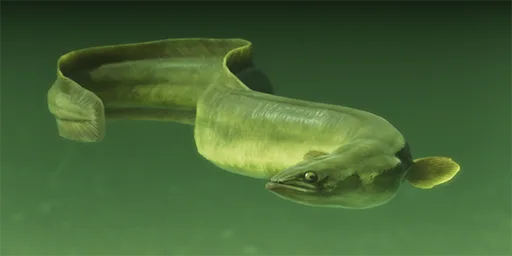
American Eel
The slender American eel can be recognized by the dorsal and ventral fins that run down its length, connecting at the tip of its tail. It can be found in nearly all bodies of fresh water.
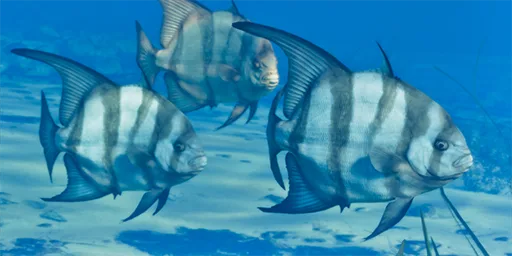
Atlantic Spadefish
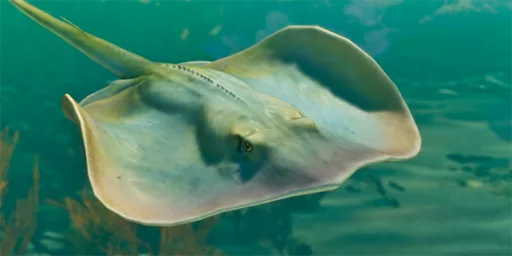
Atlantic Stingray
A common sight in coastal waters to the north and west, the Atlantic stingray is dwarfed by the region's other ray species. It defends itself with a serrated tail, but poses little threat to humans.
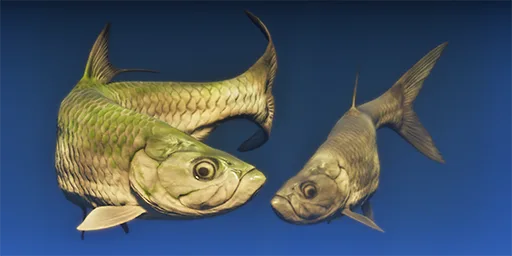
Atlantic Tarpon
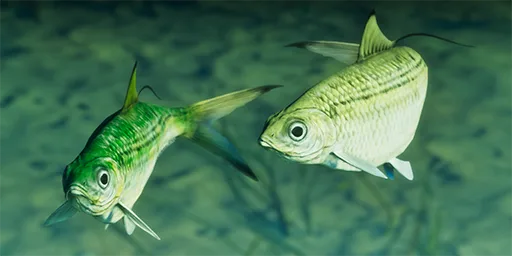
Atlantic Thread Herring
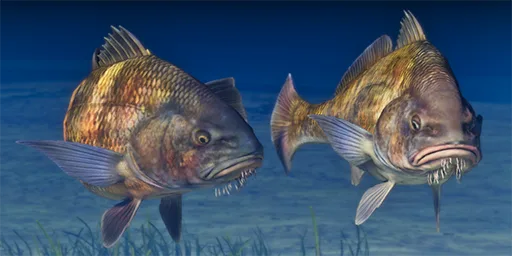
Black Drum
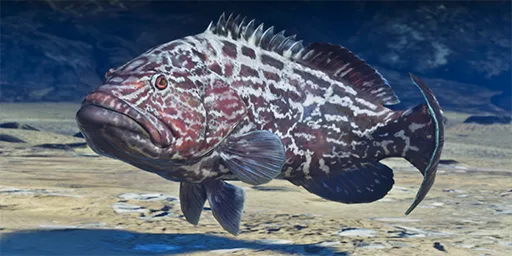
Black Grouper
Bluegill
The bluegill is named for the vivid flashes of color on its face and gills. It can be found in nearly all bodies of fresh water in Leonida.
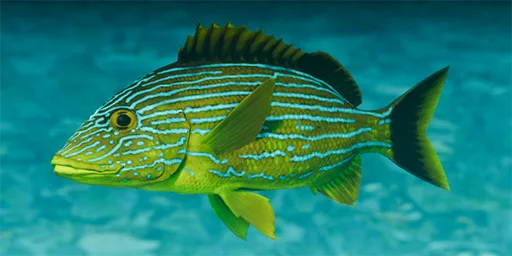
Bluestriped Grunt
A tropical yellow fish easily identified by its electric blue stripes, the bluestriped grunt can be found in warmer waters to the south of Leonida.
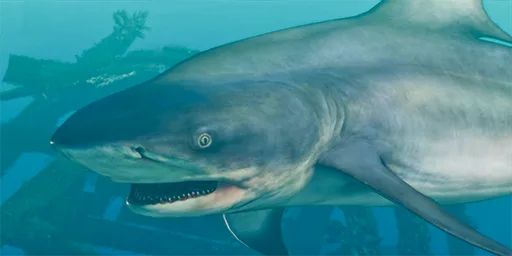
Bull Shark
Short, sturdy, and highly aggressive toward humans, the bull shark is an apex predator and can be observed throughout the waters surrounding Leonida.
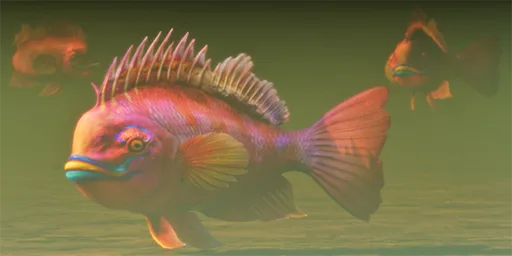
Candy Fish
Cobia
Notable for the thick brown bands running from its flat head to its forked tail, the cobia can be found in the deep ocean surrounding Leonida.
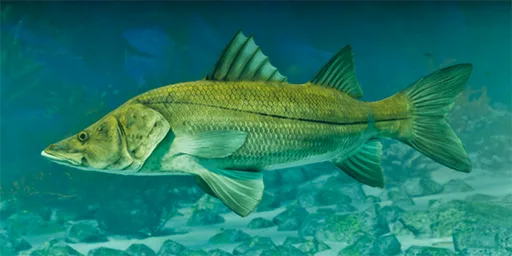
Common Snook
The common snook is most easily identified by the thin black line that runs from its gills to its tail. They're found off the east coast but are notable for their ability to migrate through rivers.
Damselfish
A bright blue fish with a striking yellow tail, the damselfish favors warmer waters to the south and west of Leonida.
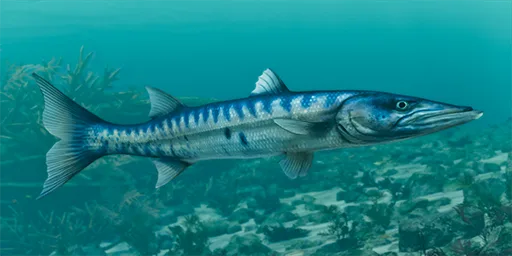
Great Barracuda
With powerful jaws and needle-like teeth, the great barracuda is a predatory, silver-blue fish that hunts off the south coast of Leonida and deeper waters to the east.
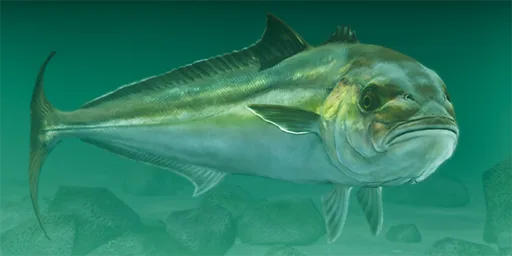
Greater Amberjack
A predatory fish with a blue-gray body and black dorsal fin, the greater amberjack can be found in coastal and deeper waters to the east of Leonida.
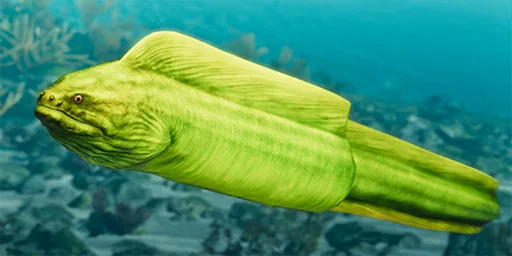
Green Moray Eel
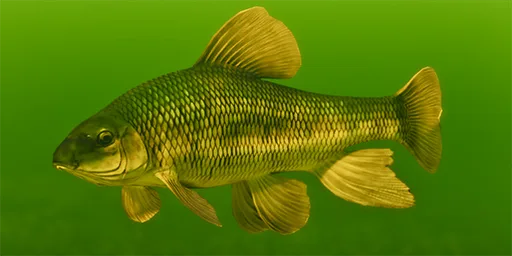
Lake Chubsucker
The lake chubsucker can be recognized by its sucker-like mouth and green-bronze scales, and lives in the calm waters of Leonida's rivers and lakes.
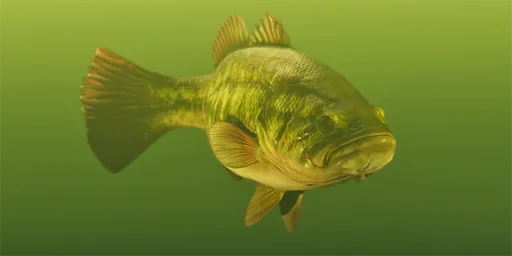
Largemouth Bass
Named for its wide, gaping jaws, the largemouth bass is an olive-colored fish often found in Leonida's northern rivers, lakes, and wetlands.
Leonida Gar
An ambush predator with an elongated, almost gator-like snout, the Leonida gar is found in wetlands and large bodies of fresh water.
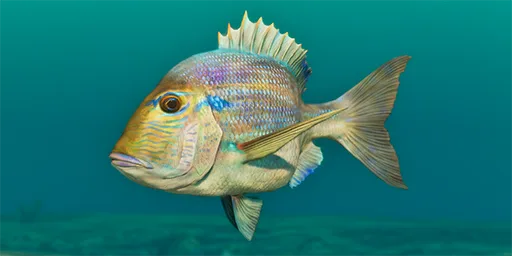
Littlehead Porgy
Known for its tall, flat face and blue stripes, the littlehead porgy can be sighted in coastal waters to Leonida's south and west.
Mackerel
A slim, silvery fish that can be identified by the yellow spots that decorate its scales, the mackerel can be found throughout Leonida's coastal waters.
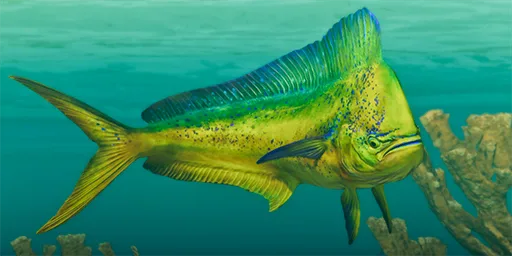
Mahi-Mahi
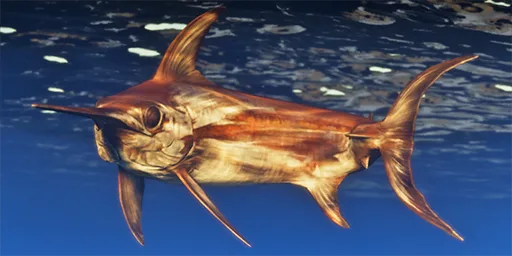
North Atlantic Swordfish
Immediately recognizable by its signature bill, the North Atlantic swordfish is a large, predatory fish found in waters all around Leonida, favoring the deep ocean.
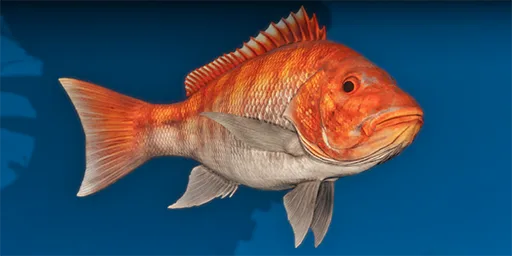
Northern Red Snapper
Named for its brightly-colored scales, the northern red snapper has a thick body and a short, spiny dorsal fin. It is most common in warmer waters to the west of Leonida.
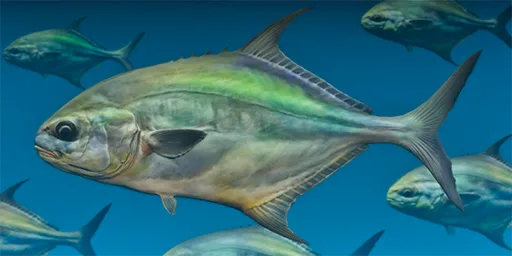
Permit
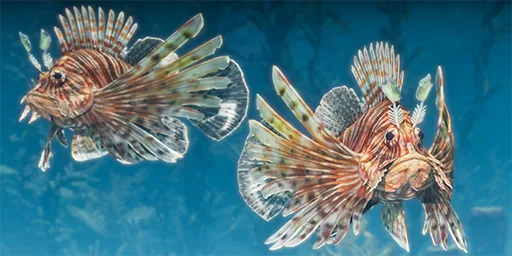
Red Lionfish
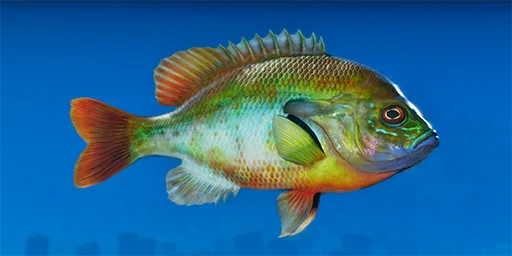
Redbreast Sunfish
Recognizable by its red pigmentation and the elongated flap that covers its gills, the redbreast sunfish can be found in bodies of fresh water in the north of Leonida.
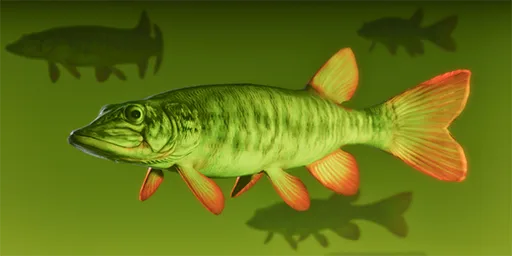
Redfin Pickerel
Identifiable by its reddish fins and the wavy pattern on its scales, the redfin pickerel can be sighted in bodies of fresh water all over Leonida.
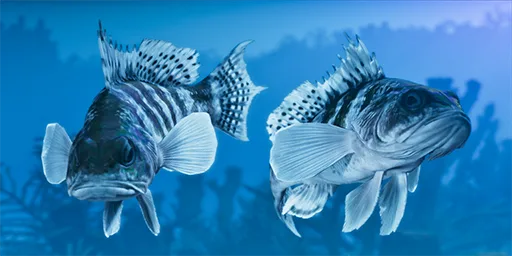
Rock Sea Bass
The rock sea bass is smaller than many other bass species, and can be recognized by its dark stripes and the black spots that decorate its fins. It can be found in coastal waters to the north and west.
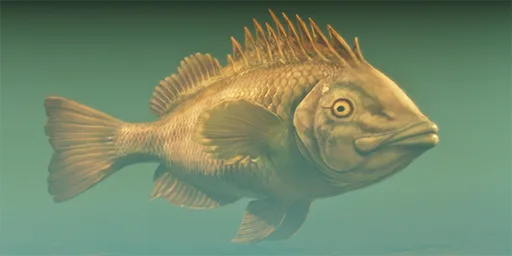
Salt Fish
A midsize freshwater fish with dull brown scales and a spiny dorsal fin, found living in Lake Leonida. Some members of the species have been spotted exhibiting unusual changes.
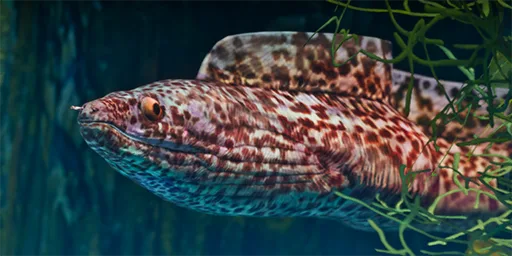
Spotted Moray Eel
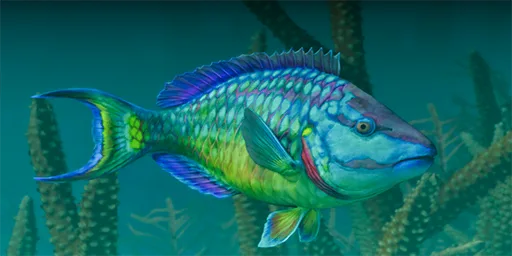
Stoplight Parrotfish
Named for the yellow spot by its gills, the stoplight parrotfish is easily identified thanks to its brightly-colored scales. It can be found off Leonida's southern coast.
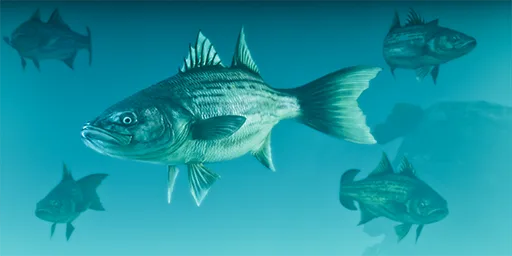
Striped Bass
Notable for the dotted lines that run from its gills to its tail, the striped bass lives in coastal waters to the north and west.
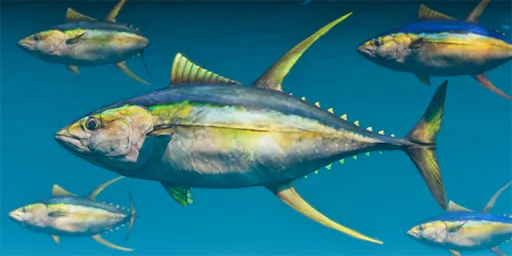
Yellowfin Tuna
Easily recognized by the yellow coloration of its prominent dorsal fin, the yellowfin tuna can be located in deeper ocean waters to the west.
Marine life
7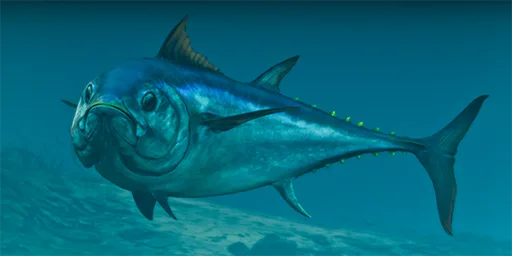
Atlantic Bluefin Tuna
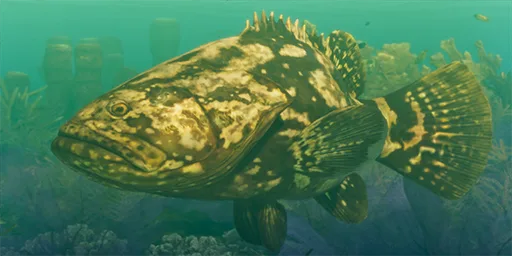
Atlantic Goliath Grouper
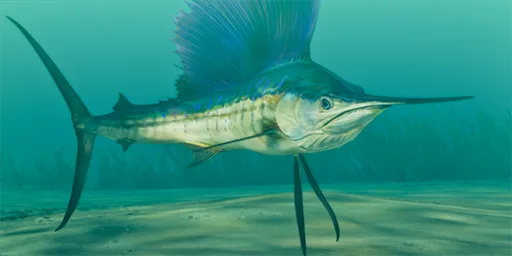
Atlantic Sailfish
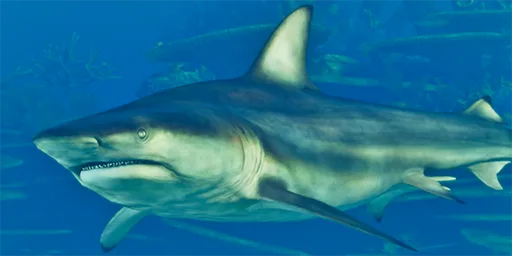
Blacktip Shark
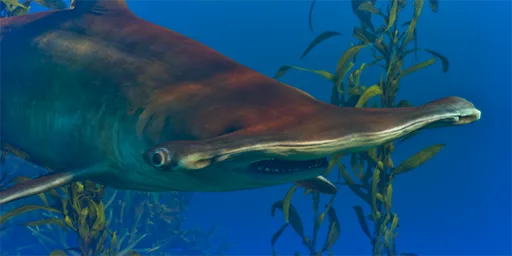
Great Hammerhead Shark
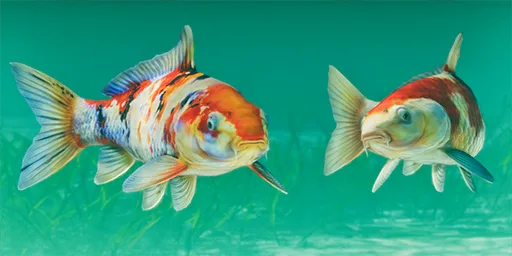
Koi
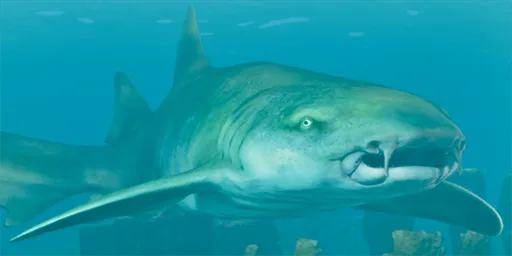
Nurse Shark
Invertebrates
4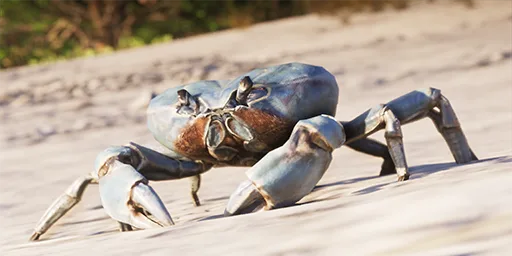
Blue Land Crab
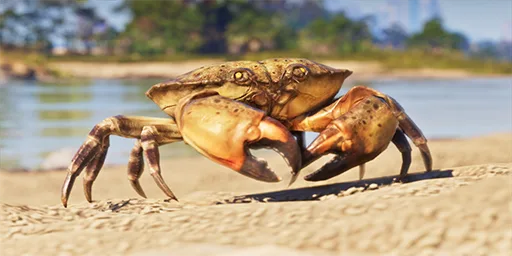
Leonida Stone Crab
Found on Leonida's western beaches, the Leonida stone crab is gray-brown species whose claws are considered a culinary delicacy.
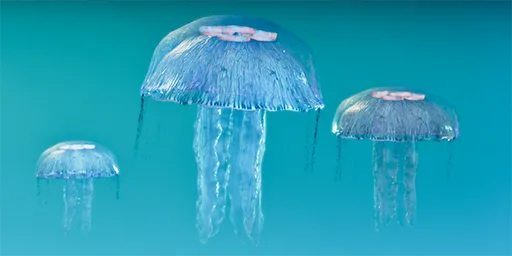
Moon Jellyfish
The moon jellyfish prefers deeper waters but can occasionally be seen around the Leonida coast. It is translucent, and lacks the long tentacles common to many other jellyfish species.
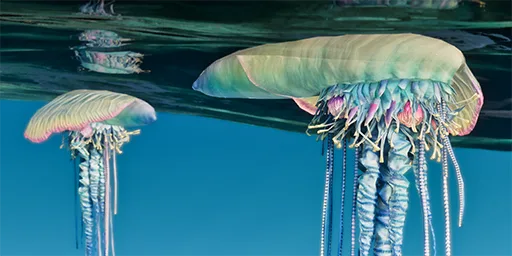
Portuguese Man O' War
Cats & dogs
21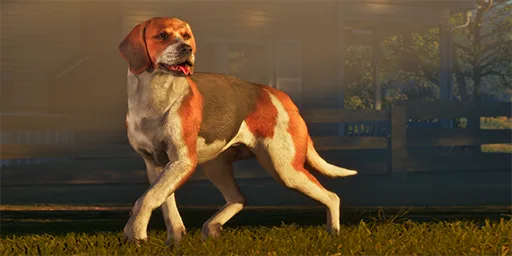
American Foxhound
The athletic American foxhound was bred for hunting, and is known for its boundless energy and loyal nature. Muscular and friendly.

American Pit Bull Terrier
Stocky and powerful with a smooth, bullet-like head, pit bulls are found around Leonida, both as domestic pets and employed as guard dogs.
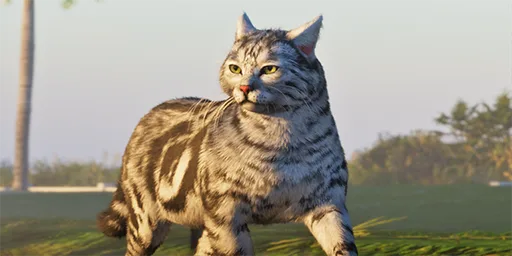
American Shorthair
A common sight around Leonida, the American shorthair is the nation's favorite housecat.
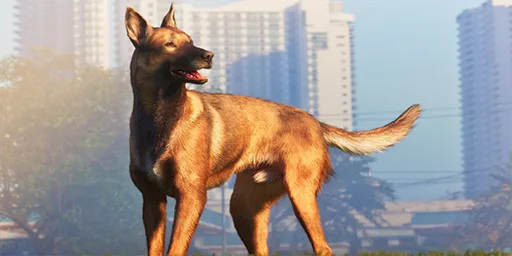
Belgian Malinois
Bengal
An unusual housecat resulting from exotic crossbreeding, the Bengal is easily recognized by its distinctive leopard print fur.
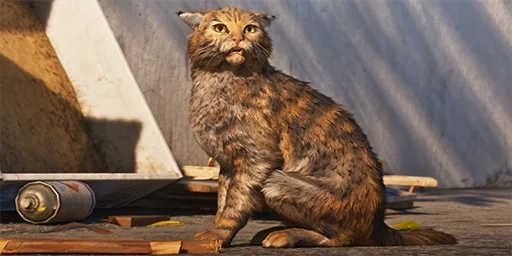
Blotched Tabby
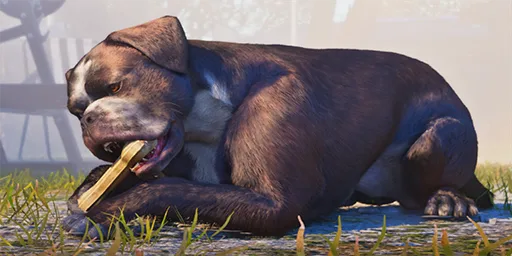
Boxer
A short-haired mastiff with a square jaw and a strong bite, the boxer is a popular pet in Leonida, and is known for being very protective of its owner.
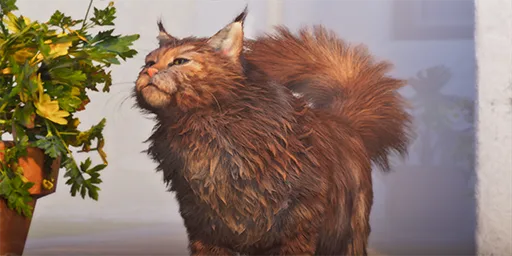
Bullworth Longhair
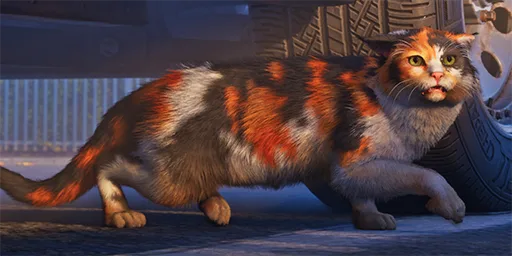
Calico
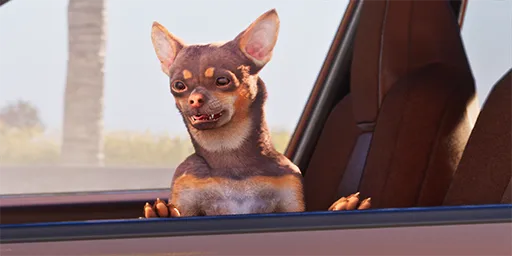
Chihuahua
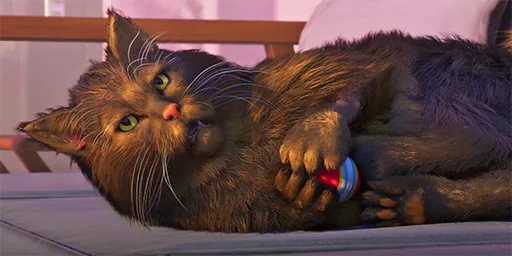
Chocolate Longhair
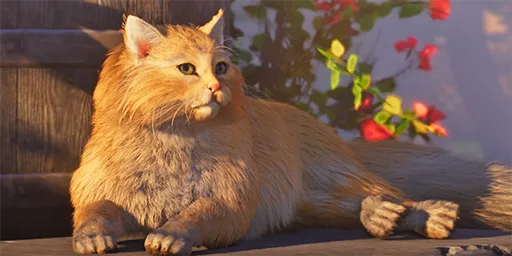
Cream Longhair
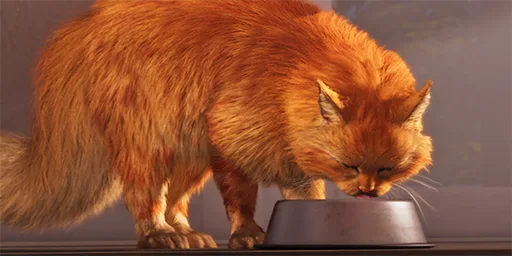
Ginger Longhair
Identifiable by its long, ginger fur, this cat is often seen in urban centers and beyond, thriving in most environments.
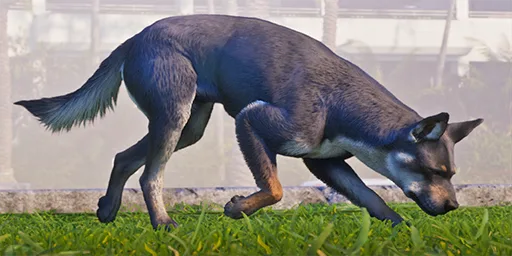
Gloriana Dog
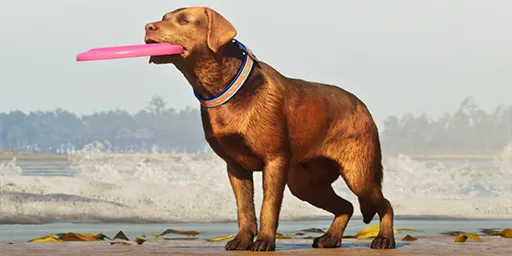
Labrador Retriever
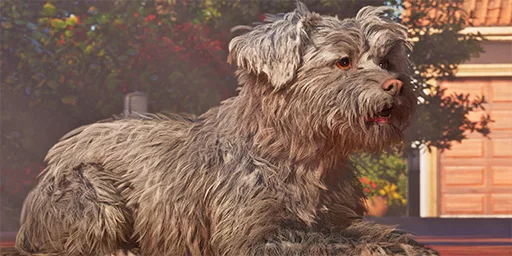
Maltese Dog
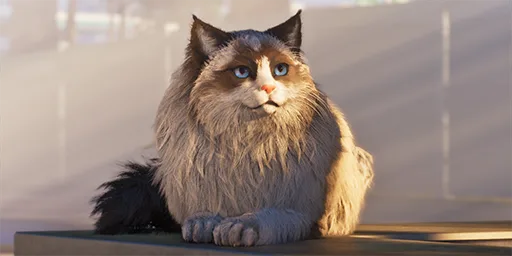
Ragdoll
The large, silky ragdoll cat is named for its tendency to go limp when picked up, and can be spotted in Leonida wherever there are people.
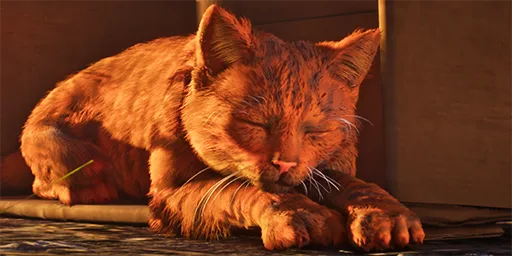
Red Tabby

Rottweiler
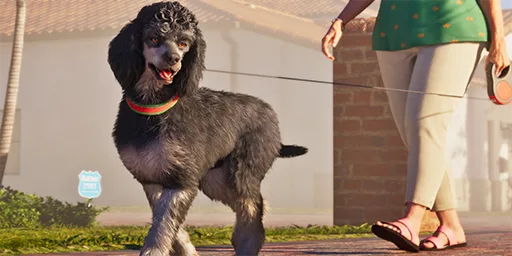
Standard Poodle
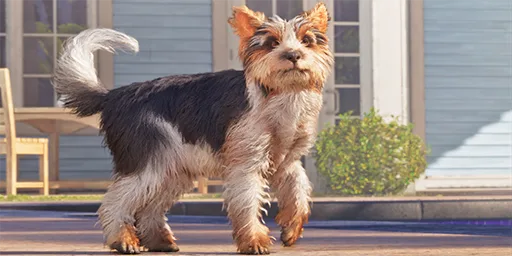
Yorkshire Terrier
Once used to hunt rats in its native Britain, the Yorkshire terrier is one of the smallest dog breeds, and is now better known for its feisty, playful nature and rich coat.
Hunting tip: Once used to hunt rats in its native Britain, the Yorkshire terrier is one of the smallest dog breeds, and is now better known for its feisty, playful nature and rich coat.
Unusual animals
16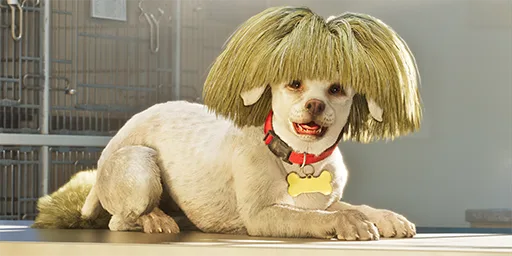
Bob-cut Maltese
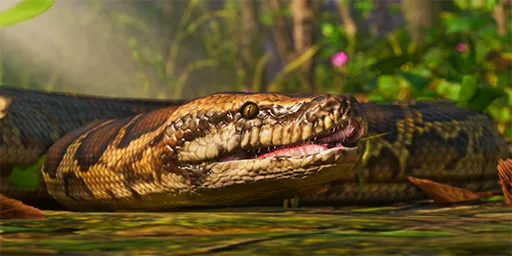
Burmese Python
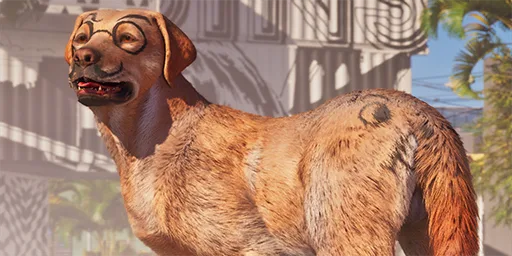
Cartoon Labrador
A labrador humorously decorated with a marker pen.
Diva Poodle
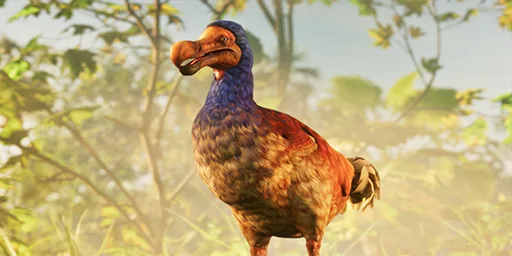
Dodo
The first dodo seen on earth for hundreds of years, created for a publicity stunt using advanced cloning techniques.
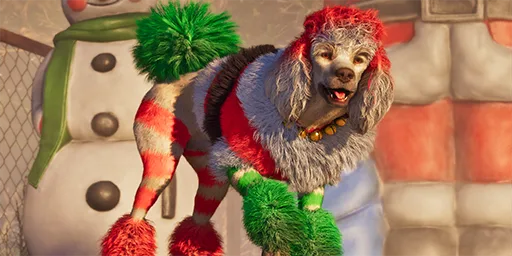
Festive Poodle
A poodle with a holiday-themed trim and dye job, and a jingle bell collar.
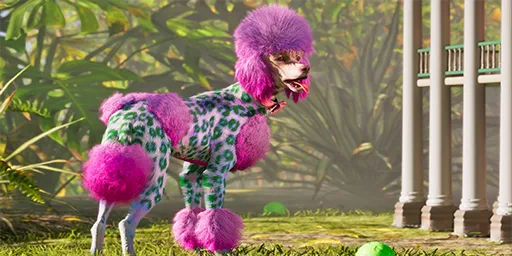
Gertrude
A poodle with a garish pink and green dye job. Hard to miss.
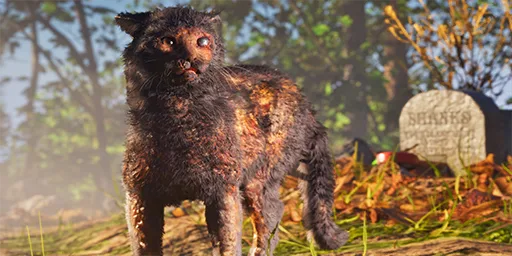
Gomez
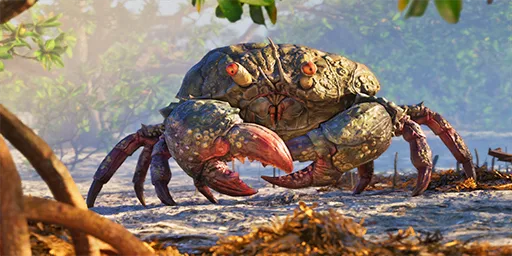
Karkinos
A common land crab that escaped from a lab, where it was artificially mutated to monstrous proportions.
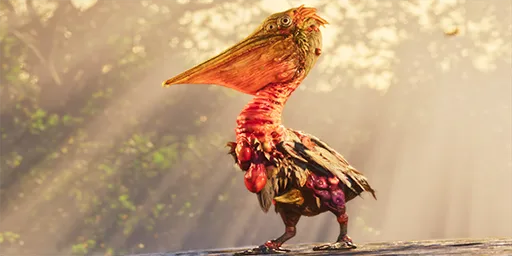
Mutated Eastern Brown Pelican
A pelican mutated by industrial waste. Has too many eyes.
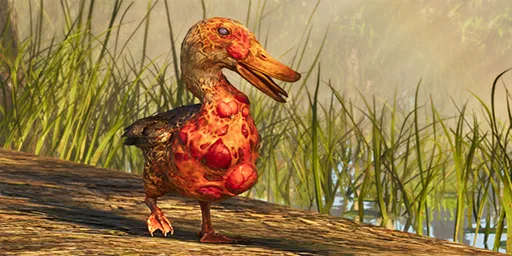
Mutated Mottled Duck
A mottled duck, mutated and deformed by industrial waste.
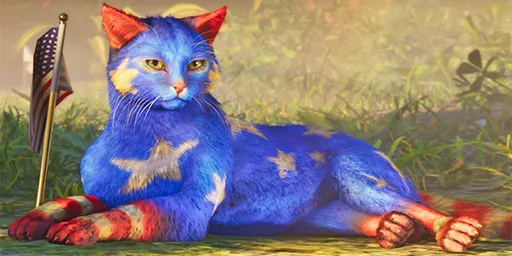
Patriot Cat
A house cat dyed head to toe with the American flag.
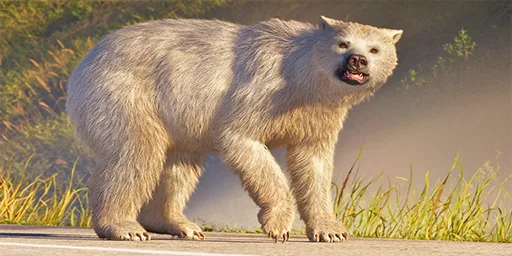
Polar Bear
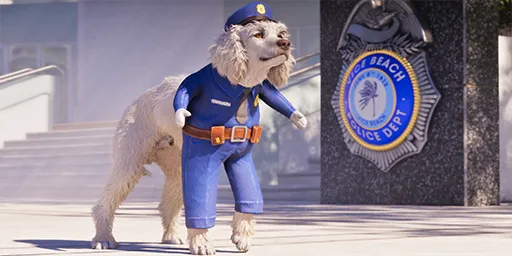
Police Poodle
A poodle dressed in a novelty cop costume by a well-meaning human.
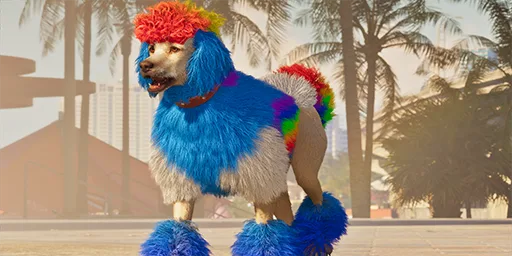
Rainbow Poodle
A poodle with a distinctive multicolor dye job and mohawk.
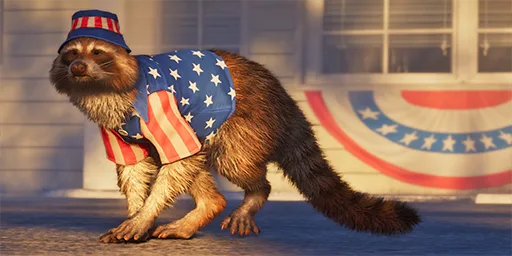
Star-Spangled Raccoon
Species and groups are sorted by how the entries are written, so a few may be misfiled.